.svg)
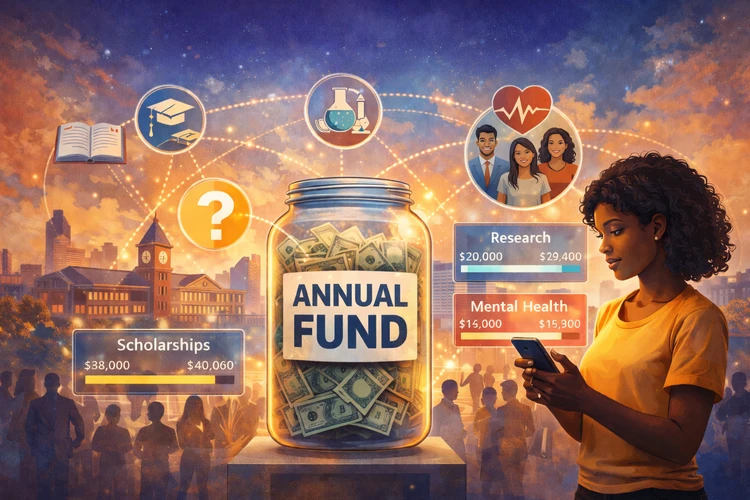

Why Today’s Donors Demand Transparency and Targeted Giving
The annual fund has long been a staple of institutional fundraising. It provides universities with the financial flexibility they need to operate efficiently, covering everything from scholarships and faculty salaries to campus maintenance and new initiatives. However, for many alumni, especially younger graduates, the annual fund remains an ambiguous and uninspiring concept.
The Problem with Traditional Annual Fund Appeals
When alumni are asked to give, their first question is often: “Where does my money go?” The answer, “The annual fund,” is rarely satisfying. This lack of transparency is precisely why institutions value the annual fund (it allows them to allocate funds as needed) and why many alumni hesitate to contribute. The disconnect lies in trust—or rather, the lack of it.
Younger donors, particularly millennials and Gen Z, want to know the impact of their contributions. Unlike high-net-worth donors, who may trust the institution to steward large gifts appropriately, everyday alumni donors want clear, tangible outcomes.
A study by Achieve’s Millennial Impact Report underscores this sentiment:
- 42% of millennials say they donate based on what inspires them in the moment (2012 study).
- 49% are more likely to give if presented with specific examples of how their gift will make an impact (2013 study).
These statistics highlight an essential truth: The traditional annual fund model does not resonate with younger, impact-driven donors.
Reframing the Ask: Treat Alumni Like Investors
Alumni are more than just donors, they are investors in their alma mater. Just as financial investors demand transparency in how their capital is used, alumni want clarity, specificity, and measurable impact when asked to contribute. They are looking for:
- Targeted, Time-Sensitive Campaigns – Alumni respond best to specific fundraising initiatives with clear, attainable goals. Example: Raising $50,000 for first-generation student scholarships in 30 days.
- Emotional Storytelling – A strong emotional connection to a cause increases giving. Example: Showcasing a struggling student who benefited from an alumni-funded emergency grant.
- Donor Choice – Giving alumni the ability to direct their funds increases engagement. Example: Allowing donors to allocate their gift to a specific department, student program, or initiative rather than a vague “general fund.”
Expanding Beyond the Annual Fund
While the annual fund will always play a critical role, institutions must adapt their strategy to include more dynamic, engaging, and targeted giving opportunities. Here’s how:
- Run Micro-Campaigns Alongside the Annual Fund
- Create short-term, high-impact fundraising challenges around tangible projects.
- Example: “Help us fund five new lab research grants by the end of the semester.”
- Allow Donors to Choose How Their Gift is Used
- Instead of a generic annual fund appeal, provide clear funding options.
- Example: A donor can allocate their gift to “student mental health resources,” “STEM scholarships,” or “diversity and inclusion initiatives.”
- Use Peer-to-Peer Fundraising & Crowdfunding
- Encourage alumni to fundraise for causes they are passionate about.
- Example: A former student-athlete can launch a campaign to raise money for new equipment for their old team.
- Incorporate Impact Reporting into Stewardship
- Close the loop with donors by showing how their contributions made a difference.
- Example: Sending a personalized thank-you email with an update on a project funded by alumni donations.
The Results Might Surprise You
For institutions reluctant to shift away from the traditional annual fund model, the data speaks for itself. Universities that have experimented with targeted campaigns and donor-directed giving options often see:
✔️ Higher participation rates from younger alumni.
✔️ Increased donor retention, as alumni feel more connected to the impact of their gift.
✔️ Greater total giving, as alumni are more willing to contribute when they see their dollars making a difference.
The annual fund is not obsolete—it simply needs a modernized approach. By incorporating transparency, donor choice, and targeted impact, institutions can broaden their donor base and engage alumni at every giving level. The key is simple: Make giving feel personal, meaningful, and rewarding.
Now the question isn’t “What is the annual fund?” it’s “How can I make a difference today?”
If you liked this article, you may also like:
- Score Big with Alumni Engagement Strategies During Football Season
- Alumni Management Software Beats Social Media for Higher Ed Engagement
- Harnessing College Athletics for Alumni Engagement & Fundraising
For more information on related topics, be sure to connect with us!